
Why Buying a Used Car Can Be a Better Option for Budget-Conscious Buyers
In today’s economy, many consumers are seeking ways to save money while still enjoying the benefits of car ownership. For budget-conscious buyers, purchasing a used car often emerges as a smarter choice compared to buying new. This blog post explores the various aspects of buying a used car, highlighting the benefits and considerations for those looking to make a wise financial decision.
What Are the Benefits of Buying a Used Car?
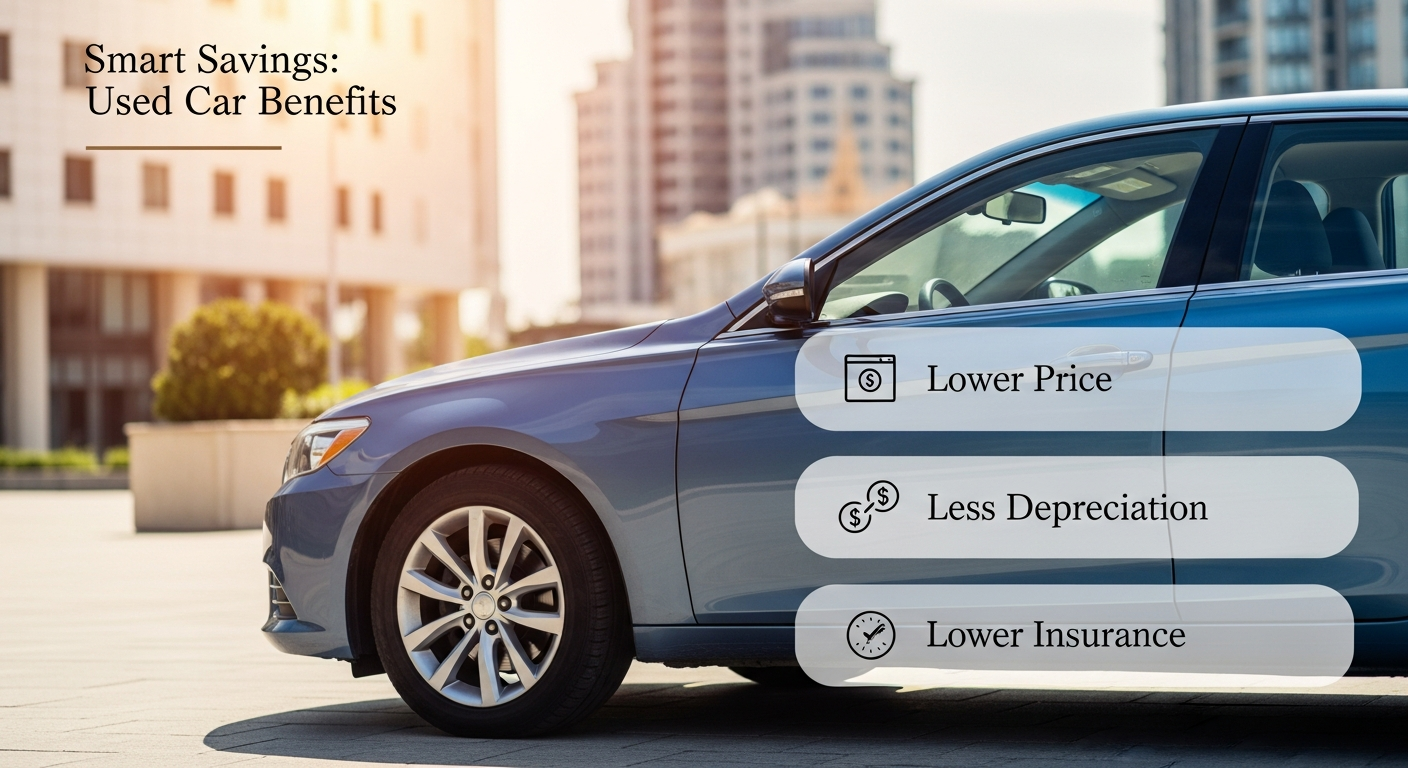
Buying a used car can offer numerous benefits that appeal to budget-conscious buyers. One significant advantage is the lower purchase price compared to new vehicles. Used cars often come with a much smaller price tag, allowing buyers to allocate their funds more wisely. This financial flexibility can lead to savings that extend beyond the initial purchase, including lower insurance premiums and registration fees.
Additionally, used cars often hold their value better than new cars, which can depreciate quickly after purchase. This aspect is crucial for buyers who may consider selling or trading in their vehicle in the future. Overall, the benefits of buying a used car include financial savings, reduced depreciation risk, and the ability to invest in a better model than what one might afford new.
Why Is Depreciation Important When Buying a Used Car?
Depreciation plays a key role in the car-buying process, especially for budget-conscious buyers. New cars often experience their most significant depreciation within the first few years of ownership. By opting for a used car, buyers can avoid the steep decline in value that new vehicles face. This means they are getting more value for their money and can sell the car later without significant loss.
Furthermore, understanding depreciation helps buyers make informed decisions about the make and model they choose. Some cars hold their value better than others, which can be a critical factor in the used car market. Knowing which vehicles depreciate slower can lead to a more financially sound purchase.
What Should You Know About Warranty Options for Used Cars?
When considering purchasing a used car, it’s essential to understand the warranty options available. Many used cars come with limited warranties, but certified pre-owned vehicles often offer extended warranties that provide peace of mind. These certified pre-owned cars undergo rigorous inspections and come with a vehicle history report, ensuring buyers are aware of any previous issues.
Having a warranty can significantly reduce potential repair costs, making buying a used car an even more attractive option for budget-conscious buyers. It allows consumers to enjoy ownership without the fear of unexpected expenses that can arise with older vehicles.
How Do Insurance Costs Differ Between New and Used Cars?
Insurance costs can vary greatly between new and used cars. Often, insurance premiums for used cars are lower than those for new vehicles, making them more affordable for budget-conscious buyers. This reduction in insurance costs is primarily due to the lower overall value of used cars.
When shopping for used cars, it’s wise for buyers to obtain insurance quotes for both new and used options. This comparison can provide a clearer picture of ongoing expenses and help buyers make more informed financial decisions.
What Financing Options Are Available for Used Cars? For those interested in purchasing a used car, there are various financing options available. Many dealerships offer used car financing plans that cater to budget-conscious buyers, providing flexible terms that can fit within their financial constraints. This can include lower interest rates and longer repayment periods compared to financing a new car.
Additionally, buyers can consider obtaining a loan from banks or credit unions, which may offer competitive rates for used vehicle purchases. Understanding the financing landscape is crucial for budget-conscious buyers looking to make a smart investment in a used car.
How Can You Ensure You’re Buying a Reliable Used Car?
Ensuring the reliability of a used car involves thorough research and inspection. Buyers should always request a vehicle history report to check for any past accidents, title issues, or service records. This information can provide valuable insights into the car’s condition and maintenance history.
Moreover, having a trusted mechanic inspect the vehicle before purchase can help identify potential problems. By taking these steps, budget-conscious buyers can gain confidence in their purchase and avoid the pitfalls that come with buying a used car.
What Are the Advantages of Certified Pre-Owned Vehicles?
Certified pre-owned vehicles (CPOs) offer several advantages for those looking to buy used. These cars undergo rigorous inspections and are often backed by extended warranties, providing added security for budget-conscious buyers. CPO programs typically include benefits such as roadside assistance and special financing rates.
Choosing a certified pre-owned car can provide the reassurance of a nearly new vehicle without the price tag associated with buying new. This makes CPOs a smart choice for those who want the benefits of a new car while remaining within their budget.
How Do You Choose Between a New Car and a Used Car?
Choosing between a new car and a used car involves weighing various factors. Budget-conscious buyers should consider their financial situation, lifestyle needs, and long-term goals. A new car may come with the latest safety features and technology, but the price tag can be significantly higher.
On the other hand, a used car offers immediate savings and can provide better value in terms of features and reliability. Buyers should assess their priorities and determine what fits their budget while meeting their needs effectively. This decision-making process is crucial for making a financially sound choice.
What Are Common Misconceptions About Buying Used Cars?
Several misconceptions exist regarding purchasing used cars that can deter buyers. One common myth is that used cars are always unreliable or have hidden issues. In reality, many used vehicles are well-maintained and provide excellent value for money.
Another misconception is that all used cars lack modern safety features. However, many pre-owned models come equipped with advanced technology and safety systems, making them a viable option for today’s consumers. Understanding these misconceptions can empower budget-conscious buyers to feel more confident in their decision to purchase a used car.
How Can Buying a Used Car Fit Your Budget?
Buying a used car can significantly help budget-conscious buyers manage their finances. The lower purchase price allows for more affordable monthly payments, and the reduced insurance costs contribute to overall savings. Additionally, buyers may have the opportunity to purchase a higher-end model for the same price as a lower-tier new vehicle.
Moreover, opting for a used car can free up funds for other essential expenses, such as home improvements or savings for future investments. By choosing a used vehicle, buyers can enjoy the benefits of car ownership without compromising their financial stability.
- Lower initial purchase price
- Reduced depreciation risk
- Affordable insurance premiums
- Flexible financing options
- Peace of mind with warranties
- Access to reliable vehicles with history reports
- Opportunity for a better model within budget
Conclusion:
Purchasing a used car can be a smart and financially sound choice for budget-conscious buyers. By considering factors such as depreciation, insurance costs, financing options, and warranty coverage, consumers can make informed decisions that align with their financial goals. If you’re looking for a reliable used car dealer, consider Yosh Motors Inc in Newark, NJ. They specialize in buying a used car, offering a variety of certified pre-owned vehicles that provide the benefits of buying a used car without compromising on quality.