

Finding the right car and the right car financing can turn a stressful purchase into smooth rides ahead. Whether you’re shopping for a new or a used car, understanding auto financing, loan terms, interest rates, and financing options for every driver to secure the best deal. This guide walks every driver through the world of car financing with clear steps, helpful tips, and financing solutions tailored to different credit histories and budgets.
What car financing options are available for every driver?
Car financing options available range from traditional dealership financing and credit union loans to special financing programs and online lenders. Each financing option brings different loan terms, interest rates, and monthly payment possibilities, so every driver should compare offers to find the best financing solution. Used car financing and new car loans may differ, but both require attention to credit score, down payment, and the overall financing plan.
To explore financing options for every driver, consider:
- Dealership financing for convenience and promotional rates.
- Credit unions for often lower interest rates and member-focused terms.
- Online lenders for competitive rates and fast approvals.
These are the foundations of a strong auto financing journey that leads to smooth rides.
How do car loans and auto loans differ and which should I pick?
Car loan and auto loan are often used interchangeably, but there are subtle differences based on loan sources and terms. A dealership may offer a car loan through its finance department with manufacturer incentives for new car buyers, while an auto loan from a bank or credit union may offer lower interest rates for qualified borrowers. Understanding loan terms, like length and interest rates, helps you select the right financing option for your financial situation.
When deciding between loan options:
- Compare APR and loan terms to determine total cost.
- Consider monthly payment vs. loan length—longer terms lower monthly payments but increase total interest.
- Factor in special financing offers or incentives from dealerships for new car purchases.
Choosing the right auto loan is a key step toward smooth rides and long-term car ownership satisfaction.
How can I get used car financing with a low credit score or credit challenges?
Used car financing is possible even with credit challenges. Many dealerships and lenders offer special financing or financing solutions designed for buyers rebuilding credit. By presenting a steady income, a larger down payment, or a co-signer, you can improve your chances of approval. Dealership financing often includes programs specifically meant to help first-time buyers or those with imperfect credit histories.
Tips for improving approval odds include:
- Check your credit report and clean up errors.
- Consider a credit union or community lender that offers flexible terms.
- Shop multiple dealerships to compare financing options and interest rates.
With persistence and the right approach, financing options for every driver—especially for those with credit challenges—are within reach.
What role does my credit score play in auto financing for all drivers?
Your credit score significantly influences the interest rates and loan terms offered by lenders. Individuals with higher credit scores typically receive lower interest rates and better loan terms, resulting in lower monthly payments. Conversely, lower credit scores may face higher interest rates, which raise monthly payment amounts and overall loan cost—so checking your credit score before you apply is vital for planning your car financing journey.
Ways to manage credit impact:
- Check your credit score and history before shopping.
- Improve your credit by paying down balances and correcting errors on reports.
- Consider shorter loan terms or larger down payments to qualify for better rates.
Understanding how credit score affects financing helps every driver make informed choices and secure smoother rides ahead.
Where should I start when choosing the right financing option at dealerships?
Begin by researching car financing options and comparing pre-approval offers. Many buyers get pre-approved through banks or credit unions, giving them negotiating power at the dealership. Dealerships may offer dealership financing with incentives, especially for new car promotions, or they might provide used car financing with flexible terms. Start with a budget and desired monthly payment, then match those to loan terms and interest rates.
Checklist for dealership financing:
- Secure pre-approval to understand what you qualify for.
- Ask about special financing deals and manufacturer incentives.
- Negotiate purchase price separately from financing to get the best deal.
These steps help you navigate dealership financing and choose the financing plan that best fits your needs.
How do interest rates and loan terms affect my monthly payment and total cost?
Interest rates and loan terms are the two main factors shaping your monthly payment and the total cost of auto financing. Lower interest rates decrease borrowing costs and result in smaller monthly payments. Longer loan terms lower monthly payments but increase the total interest paid overtime. Finding a balance between monthly affordability and total loan cost is essential for a healthy financing plan.
Consider this strategy:
- Opt for the lowest interest rate you can qualify for to save money overall.
- Choose a loan term that keeps monthly payments manageable without unnecessarily extending the loan.
- Make extra payments when possible to reduce principal and overall interest.
Understanding how financing works helps every driver make smart choices that lead to smoother ownership and possibly lower monthly payments.
Can credit unions and alternative lenders provide better financing solutions?
Credit unions often deliver competitive rates and personalized financing solutions, especially for used car financing and buyers with stable membership. They typically have member-focused underwriting that can translate into lower interest rates and flexible loan terms. Alternative lenders and online banks can also offer competitive rates and faster approvals, enabling car buyers to compare multiple financing offers.
Benefits of exploring different lenders include:
- Competitive rates from credit unions and online lenders.
- Special financing offers that match your credit history.
- Possibility of lower monthly payments and better loan terms.
By shopping around, every driver can find the best deal and a financing plan tailored to their financial situation.
What special financing options exist for first-time buyers and those with limited credit histories?
First-time buyer programs often include tailored financing options for every driver with limited credit histories. Dealerships may offer special financing, while credit unions and community banks sometimes provide starter loans designed to help buyers establish a positive loan history. These programs emphasize building credit while delivering affordable monthly payments and reasonable loan terms.
Advice for first-time buyers:
- Look for special financing programs at dealerships and local lenders.
- Consider a co-signer to secure lower interest rates and better loan terms.
- Start with a reliable used car that balances cost and long-term value.
These financing solutions help new car buyers achieve smooth rides ahead and a strong foundation in the world of car financing.
How can I find the best deal at a used car dealer or used car dealership?
Finding the best deal at used car dealerships requires research, inspection, and comparison of financing options. Start by identifying the right vehicle for your needs and budget, then request financing quotes from multiple lenders and dealership financing departments. Used car dealerships may offer bundled financing packages, warranties, or certified pre-owned programs that add value to your purchase.
Steps to get the best deal:
- Research vehicle models and market prices to know what’s fair.
- Obtain multiple financing offers, including used car financing from credit unions and online lenders.
- Inspect the vehicle, review its history, and negotiate the purchase price separately from financing.
With the right preparation, you can get a better loan, lower interest rates, and smooth rides with the perfect car.
What financing options should I consider when buying a new car versus a used car?
When buying a new car, look for manufacturer incentives, 0% APR offers, and dealership promotions that can significantly lower interest rates and sometimes reduce loan terms. For a used car, focus on used car financing rates, vehicle condition, and trade-in value. New car loans often have better promotional rates, while used car financing may require more attention to loan terms and interest rates to ensure you get the best deal.
Compare these aspects:
- New car: manufacturer incentives, competitive rates, and potentially better dealership financing.
- Used car: more variability in interest rates, emphasis on vehicle history, and potential for lower purchase price.
- Both: pre-approval, check your credit score, and compare lenders to secure the right financing option.
Choosing the right path will help you secure a loan that matches your lifestyle and budget, and lead to smooth rides ahead.
How do I make informed decisions to secure the right financing option for my dream car?
Making informed decisions begins with understanding your financial situation, setting a budget, and identifying the right vehicle. Use pre-approval offers to understand what you can afford and compare monthly payment scenarios for different loan terms and interest rates. Consider the total cost of ownership—insurance, maintenance, and loan payments—when choosing your financing plan.
Decision-making checklist:
- Check your credit score and explore ways to improve it.
- Get pre-approved and set a maximum monthly payment.
- Compare loan offers from dealerships, credit unions, and online lenders to get the best financing solution.
These steps will ensure you take your dream car for a spin with confidence and the right financing option in place.
How does the financing process work from application to final payment?
The financing process starts with researching lenders, getting pre-approved, and selecting a vehicle. After applying for a loan, the lender reviews your credit histories, income, and requested loan terms to offer an APR and loan length. Once approved, you sign loan documents and begin monthly payments. Throughout the loan term, you can make additional payments or refinance for better rates if your credit improves.
Key stages of financing:
- Preparation: check credit score and set a budget.
- Shopping: get pre-approvals and compare offers from lenders and dealerships.
- Finalization: sign the loan and make regular monthly payments, consider refinancing if better rates become available.
Understanding each step helps every driver navigate the financing process confidently and reach smooth rides ahead.
How can I reduce my monthly payment or secure lower interest rates?
Lowering your monthly payment or securing lower interest rates can be achieved by improving your credit score, increasing your down payment, or opting for a shorter loan term if affordable. Refinancing is another option if your credit improves after purchase; many drivers refinance to get lower interest rates and better loan terms that reduce monthly payments or total interest paid.
Ways to lower costs:
- Boost your credit score through on-time payments and reduced debt.
- Make a larger down payment to reduce principal and monthly payment.
- Shop lenders to find competitive rates and refinance when possible.
These steps lead to the best financing and smoother rides for every driver.
What are smart strategies for negotiating the final car price and financing terms?
Negotiating the final car price and financing terms starts with separating the purchase price from the financing discussion. Negotiate the vehicle price first so you get the best deal, then compare loan offers and present pre-approval offers from banks or credit unions to the dealership. Ask for breakdowns of fees, and request a detailed financing plan that clarifies interest rates, loan terms, and monthly payments.
Negotiation tips:
- Negotiate price, not monthly payment, to avoid hidden costs.
- Bring pre-approval offers to leverage better dealership financing.
- Ask about manufacturer incentives, trade-in values, and special financing options for every driver.
With these strategies, you can secure a better loan and enjoy smoother rides ahead.
How do financing options tailored to my situation help me buy the right car?
Financing options tailored to your situation—considering income, credit histories, and desired monthly payments—ensure you select the right vehicle that fits your budget and lifestyle. A tailored financing plan might include a specific loan term, a customized down payment schedule, or a special financing program from the dealership or credit union. Such customization helps you own the perfect car with predictable monthly payments and manageable loan terms.
Benefits of tailored financing:
- Better alignment of loan terms with your financial goals.
- Access to special financing for specific credit profiles.
- A path to improving credit while owning a dependable vehicle.
Tailored financing solutions make the car buying experience smoother and more predictable for every driver.
How can I evaluate if a refinancing option is the right move for me?
Refinancing can lower your interest rate, reduce monthly payments, or shorten loan terms if market rates have fallen or your credit has improved. Evaluate refinance offers by comparing the new APR, loan term, and fees against your current loan’s remaining balance and payments. Calculate the break-even point when savings from lower interest offset any refinancing costs to determine if refinancing is worthwhile.
Refinancing checklist:
- Compare current loan terms to potential refinancing offers.
- Check for fees or prepayment penalties on your current loan.
- Estimate monthly savings and the time to recoup refinancing costs.
Refinancing can be a smart financing solution that keeps your path to smooth rides ahead on track.
How do I ensure I’m getting the best financing for my used car purchase?
To ensure you get the best financing for a used car, shop multiple lenders, get pre-approval, verify vehicle history, and negotiate the purchase price separately. Consider lenders who specialize in used car financing and seek out competitive rates from credit unions and online lenders. Used car dealerships may also offer dealership financing that bundles warranties and maintenance plans, which can add value to your overall financing plan.
Practical steps:
- Obtain pre-approval and compare APR offers.
- Inspect the car, review service records, and negotiate price.
- Review all loan documents and ensure monthly payments and loan terms are clear.
These actions help every driver find financing options for every driver and secure smooth rides with the right financing option.
Summary of key takeaways
- Car financing options include dealership financing, credit unions, online lenders, and special financing programs tailored to different credit profiles.
- Your credit score greatly affects interest rates, loan terms, and monthly payments—check and improve it before applying.
- Shop multiple lenders and get pre-approval to strengthen your negotiating position at the dealership.
- Buyers with credit challenges can still secure used car financing through special financing, co-signers, or credit unions.
- Compare APR, loan terms, and total cost—lower interest rates and shorter terms save money overall, even if monthly payments are higher.
- Negotiate the vehicle price and financing separately, and review all fees and loan documents closely.
- Consider refinancing if your credit improves or better market rates become available to lower monthly payments or interest costs.
- Tailored financing plans and thorough research help every driver find the right financing option and enjoy smooth rides ahead.
YOSH MOTORS INC, a Used Car Dealer in Newark, NJ, can help you explore used car financing and auto financing options for every driver. Whether you’re looking for a car loan or the right financing option for your financial situation, YOSH MOTORS INC offers dealership financing and financing solutions to help you find the perfect car. With competitive rates, options for every driver, and guidance through the financing process, you can secure a smooth rides experience and the best deal on your next vehicle purchase.
Why Buying a Used Car Is the Smart Choice for Eco-Conscious Consumers

Choosing to buy a used car is becoming an increasingly popular sustainable choice for eco-conscious consumers who want to reduce their environmental impact while making smart financial decisions. This guide explains why opting for a used vehicle or pre-owned vehicle aligns with eco-conscious values, how the used car market supports sustainability, and practical steps for purchasing a used car that fits both your budget and green goals.
How does purchasing a used car reduce the carbon footprint compared to a new car?
When you choose a used car, you directly reduce the environmental impact of new vehicle production. New car production requires extraction of raw material, manufacturing energy, and transportation—all of which increase the demand for new vehicle production and add to greenhouse gas emissions. A used car has already absorbed those initial production emissions, so choosing a pre-owned vehicle prevents additional new car emissions.
For eco-conscious consumers, buying a used vehicle is one of the most effective ways to reduce their carbon footprint without sacrificing mobility. By purchasing a used car instead of a new vehicle, you help reduce the demand for new car production and support sustainable practices in the automotive lifecycle. This is a central reason many eco-conscious buyers consider buying a used vehicle a smart choice for sustainability.
Why is choosing a used vehicle an economically smart decision for budget-conscious consumers?
Beyond sustainability, opting for a used car is a smart financial move for budget-conscious consumers. New cars depreciate rapidly—often losing a significant portion of value within the first few years—whereas a used car can deliver the same practical transportation with far less initial depreciation. This makes buying a used car an attractive option for those who want the benefits of a reliable vehicle without the steep loss in value that comes with a new car.
Choosing to buy used can free up funds for green upgrades, like installing fuel-efficient tires or choosing a used hybrid or electric vehicle. Many used cars are high-quality and well-maintained, providing excellent value. For eco-conscious buyers who want to allocate resources efficiently, selecting a pre-owned vehicle aligns with both financial prudence and sustainability goals.
How do used cars help reduce demand for new vehicle production and raw material consumption?
Opting for a used vehicle lowers the overall demand for new cars, which in turn reduces the need for raw material extraction, energy-intensive manufacturing, and large-scale industrial emissions. The demand for new car production has a cascading environmental effect—mining, refining, assembly, and shipping all contribute to environmental degradation. Buying used helps disrupt this cycle by extending the useful life of existing vehicles.
When consumers choose many used cars over brand-new models, they collectively decrease the pressure on resources. This supports sustainable practices across the industry and encourages manufacturers to focus on longevity and repairability. For eco-conscious consumers, this is a tangible way to make eco-conscious choices that go beyond individual fuel economy numbers.
Can choosing a used hybrid or electric vehicle deliver environmental benefits?
Yes. Buying a used hybrid or electric vehicle can be a powerful way for eco-conscious consumers to lower their operational carbon footprint without adding the full environmental cost of new vehicle production. Used hybrid and electric models often retain strong fuel efficiency or electric range while avoiding the resource demands associated with building a new battery and chassis from scratch.
Many used hybrid or electric vehicles are available through certified pre-owned programs or reputable used car dealerships, making it easier to find high-quality options. Choosing a used hybrid or electric vehicle combines the operational sustainability of reduced tailpipe emissions with the broader sustainability advantages of opting for a used car.
What role do used car dealerships play in supporting sustainable choices?
Used car dealerships and those that focus on transparency and quality play a key role in promoting sustainable choices. They increase the inventory of used cars and make it easier for eco-conscious consumers to find reliable pre-owned vehicles. Many used car dealerships now offer vehicle history reports, certified pre-owned programs, and inspections that reduce the risk associated with buying used.
By working with reputable dealers, buyers can find high-quality used cars that meet both environmental and budget needs. Used car dealerships can also advise on maintenance and parts, helping owners keep existing vehicles on the road longer—another important sustainable practice. This aligns with eco-conscious values by prioritizing repair, reuse, and longevity over continual replacement.
How does buying a pre-owned vehicle affect the lifecycle environmental impact of a car?
Extending a vehicle’s lifecycle by choosing a pre-owned vehicle significantly reduces the per-mile environmental impact. The energy and materials used to build a car are amortized over more years and miles, lowering the lifecycle emissions per use. This is especially true when the car has already gone through the steepest depreciation and most intensive manufacturing impact.
Choosing to keep cars on the road longer—through maintenance, careful driving, and repairs—supports sustainability at the systemic level. Eco-conscious consumers who buy used contribute to a circular mindset where pre-owned vehicles remain functional and valuable over time, reducing the frequency of new vehicle production and its associated environmental costs.
Are there safety and reliability concerns when buying used, and how can buyers address them?
Safety and reliability are top concerns for many people considering purchasing a used car, but these can be managed with the right approach. Start by choosing used cars with complete maintenance records, vehicle history reports, and inspection certifications. Certified pre-owned vehicles from trusted sellers often come with warranties and thorough inspections, addressing many reliability concerns.
Practical steps include getting an independent mechanic inspection, reviewing service history, and checking for recall repairs. Many used cars have already benefited from repairs and upkeep that make them safer and more reliable than their age suggests. For eco-conscious buyers, investing a little time in due diligence ensures you find a sustainable and dependable car that meets both safety and environmental standards.
How can car shopping strategies help eco-conscious buyers find the right used car?
Effective car shopping starts with clear priorities: fuel efficiency, total lifecycle impact, maintenance history, and compatibility with your needs. Use search filters for used cars for sale that include fuel economy ratings or hybrid/electric options, and prioritize sellers who provide detailed vehicle histories. Comparing many used car listings helps you identify high-quality used options that align with eco-conscious goals.
Consider creating a checklist that includes mileage, service records, accident history, fuel type, and expected remaining lifespan. Look for used cars that have been well cared for and that can be maintained easily with available car parts. This structured approach to car shopping helps eco-conscious consumers make informed choices and still find budget-friendly, sustainable vehicles.
What are the practical environmental benefits of opting for a pre-owned vehicle versus a new vehicle?
Practical environmental benefits include immediate reduction in demand for new car production, lower aggregated emissions per mile, and less consumption of raw materials. A new car loses much of its environmental efficiency advantage when the embodied emissions from manufacturing are considered. By opting for a pre-owned vehicle, eco-conscious consumers reduce the environmental impact associated with new vehicle production.
Other benefits include supporting an inventory of used cars that encourages reuse and repair, lowering overall waste in the automotive sector, and promoting a marketplace where sustainable practices—like refurbishing and recycling parts—become more viable. These outcomes bolster sustainability beyond a single purchase and help shift consumer norms toward longer vehicle lifecycles.
How does choosing a used car align with broader eco-conscious values and sustainable practices?
Choosing to buy used aligns with eco-conscious values by prioritizing resource conservation, waste reduction, and longevity. The decision to choose used cars demonstrates a commitment to reducing your personal environmental impact while supporting a market that values reuse. It also reflects a preference for pragmatic sustainability—making choices that have immediate, measurable effects, such as reduced demand for new vehicle production.
Eco-conscious buyers often seek to balance lifestyle needs with environmental priorities. Opting for a used car helps maintain mobility and quality of life while minimizing negative environmental consequences. Whether you buy a used vehicle, a used hybrid or electric vehicle, or a high-quality pre-owned car, the action supports sustainability and can inspire others to consider similar eco-conscious choices.
What practical steps should consumers take when buying a used car to ensure a sustainable and satisfying purchase?
Follow a step-by-step plan to buy used cars smartly: research models with long lifespans, check fuel efficiency, inspect vehicle history reports, get mechanical inspections, and compare warranties. Prioritize cars with widely available car parts and strong service networks to ensure longevity. These practical steps reduce the chance of premature replacement and promote long-term sustainability.
Also consider options like certified pre-owned vehicles, warranties, and reliable used car dealerships that offer transparent histories and ethical sales practices. Negotiating for a fair price and verifying maintenance practices will help you buy a used car that’s both eco-friendly and dependable. These habits ensure that choosing to buy a used vehicle becomes a long-term, sustainable choice rather than a short-term compromise.
How do the benefits of buying a used vehicle compare with buying a new vehicle for eco-conscious buyers?
While new vehicles may offer the latest technology and slightly better fuel economy in some cases, the environmental cost of new vehicle production often outweighs those marginal gains. For eco-conscious consumers, the benefits of buying a used vehicle—reduced lifecycle emissions, lower resource consumption, and less influence on the demand for new car production—make it a compelling and practical option.
Many used cars are high-quality and come with upgrade potential, meaning eco-conscious buyers can improve efficiency through maintenance and small upgrades. The financial savings from choosing used can be redirected toward further sustainability measures, such as installing efficient tires, using eco-friendly maintenance products, or investing in a used hybrid or electric model later on. This balanced approach supports both environmental and economic goals.
How can communities and policymakers encourage eco-conscious consumers to buy used cars?
Communities and policymakers can promote buying used by incentivizing certified pre-owned programs, supporting repair and reuse industries, and offering tax or registration benefits for keeping existing vehicles in service longer. Policies that support the recycling of parts and refurbishment can strengthen the supply of reliable used cars and encourage sustainable practices across the automotive lifecycle.
Public awareness campaigns highlighting the environmental benefits of purchasing a used car and partnerships with reputable used car dealerships can help shift consumer behavior. For eco-conscious consumers, systemic support makes choosing to buy a used vehicle easier and aligns individual actions with broader sustainability goals.
Summary — Key takeaways
Buying a used car reduces the demand for new vehicle production and lowers the lifecycle carbon footprint.
- Opting for a used vehicle is both a sustainable choice and an economically smart decision for budget-conscious consumers.
- Used hybrid or electric vehicles combine operational efficiency with reduced manufacturing impact.
- Reputable used car dealerships and certified pre-owned programs make it easier to find reliable pre-owned vehicles.
- Proper inspections, maintenance records, and thoughtful car shopping strategies ensure safety, reliability, and longevity.
For eco-conscious consumers looking to find the right used car, remember that purchasing a used car is a practical, sustainable choice that aligns with eco-conscious values and smart financial planning. If you’re in the Newark area, consider working with Yosh Motors Inc., a Used Car Dealer in Newark, NJ, to access a wide inventory of used cars for sale and get expert guidance. Yosh Motors Inc. operates as a trusted used car dealership where eco-conscious buyers can explore pre-owned vehicles, discuss the benefits of buying a used vehicle, and make an informed decision about buying a used car that balances sustainability, reliability, and budget. Choosing a used vehicle from a reputable dealer helps you reduce your carbon footprint while enjoying the benefits of buying a high-quality, pre-owned car.
Why Buying a Used Car Can Offer a Wider Selection of Makes and Models

When it comes to car shopping, many buyers often face a crucial decision: whether to buy a new or used vehicle. Understanding the benefits of each option is essential, but one significant advantage of buying a used car is the wider selection of makes and models available. This blog post explores why purchasing a used vehicle can open up a world of choices for buyers.
What Are the Advantages of Buying a Used Car?
Choosing to buy a used car comes with numerous advantages. Primarily, the financial aspect plays a significant role. Used cars are generally more affordable than new cars, which means that buyers can access a wider selection of vehicles without breaking the bank. This allows potential car owners to consider different makes and models that they might not have otherwise thought possible.
Moreover, the used car market offers various options, from older models with classic appeal to nearly new pre-owned cars. This diversity means that buyers can find a vehicle that fits their budget and style preferences, ensuring that they find their dream car.
Why Does the Used Car Market Provide a Broader Range of Choices?
The used car market boasts an extensive inventory, which is a significant advantage for buyers. Unlike the new car market, where options may be limited to the latest models, the used car market allows buyers to explore a broader selection of makes and models. This variety means that buyers can find cars that offer unique features or designs that may not be available in new vehicles.
Additionally, used cars often come with a lower price tag, making it easier to access vehicles from premium brands that might be out of reach in the new car segment. This results in an enhanced shopping experience, where buyers can evaluate multiple options and select the one that best suits their needs.
What Should You Consider When Choosing a Used Vehicle?
When considering a used vehicle, it’s essential to evaluate factors such as the car’s history, mileage, and condition. Buyers should prioritize obtaining a vehicle history report to check for any accidents or title issues. This information provides peace of mind and helps ensure a wise investment.
Moreover, potential buyers should also consider test-driving various vehicles. This hands-on approach allows them to assess comfort, handling, and features, ensuring they make an informed decision when purchasing a used car.
What Are the Pros of Buying a Used Car from a Dealership?
Buying a used car from a dealership has its set of advantages. Dealerships typically offer certified pre-owned vehicles that have undergone rigorous inspections, ensuring quality and reliability. This certification often comes with warranties, providing buyers with additional peace of mind.
Furthermore, used car dealerships often provide financing options that can be more accessible than private sellers. This means buyers can secure competitive rates, making the purchasing process more straightforward and less stressful.
What Are the Cons of Buying a Used Car?
While there are many pros to buying a used car, it’s crucial to consider the cons as well. One of the primary disadvantages of buying a used vehicle is the potential for hidden problems. Unlike new cars, which come with manufacturer warranties, used cars may have issues that are not immediately apparent.
Additionally, older models may not have the latest technology or safety features found in new cars. Buyers should weigh these factors against their needs and expectations when deciding on a used car purchase.
How to Make the Best Choice Between New and Used Cars?
Deciding whether to buy a new or used car depends on various personal factors, including budget, needs, and preferences. Buyers should consider what they value more: the latest technology and features that new cars offer or the affordability and variety found in used cars.
Making a list of must-have features can help narrow down options. Understanding the pros and cons of both choices can lead to a more informed decision, ensuring that buyers select a vehicle that meets their requirements.
What Financing Options Are Available for Used Cars?
Used car financing is an essential consideration for many buyers. Various financing options are available, including loans through banks, credit unions, and dealership financing. Each option has its pros and cons that buyers should evaluate carefully.
Dealership financing can be convenient, often providing promotions for lower interest rates, while banks and credit unions may offer more competitive rates for those with good credit. Assessing financial options thoroughly can lead to better savings over time.
Why Is it Important to Research Makes and Models?
Before purchasing a used vehicle, researching different makes and models is important. This helps buyers understand the reliability, resale value, and common issues associated with specific vehicles. Knowledge of various models allows buyers to make informed decisions and choose a car that aligns with their expectations.
Additionally, exploring buyer reviews and ratings can provide insight into the vehicle’s performance and satisfaction levels, further enhancing the decision-making process.
How Can You Ensure a Smooth Purchase Experience?
To ensure a smooth purchase experience when buying a used car, it is essential to perform due diligence. Start by narrowing down the selection of makes and models that fit your budget and needs. Next, visit reputable used car dealerships to explore options and get a feel for various vehicles.
Finally, don’t hesitate to negotiate the price and ask questions about the car’s history. A transparent discussion with the dealer can help build trust and lead to a satisfactory purchase experience.
What Are the Key Takeaways When Buying a Used Car?
- A used car purchase provides a larger range of vehicle makes and models to choose from.
- The used car market provides affordability and access to premium brands.
- Consider factors like vehicle history and condition before purchasing.
- Dealerships provide certified pre-owned vehicles with warranties.
- Evaluate financing options to find the best deal for your budget.
- Research different makes and models to make an informed choice.
- Ensure a smooth purchase experience by doing thorough research and asking questions.
In conclusion, buying a used car can offer a wider selection of makes and models, making it an appealing option for many buyers. Whether you’re looking for a reliable vehicle or a more affordable option, the used car market has something for everyone. If you’re in Newark, NJ, and considering purchasing a used vehicle, visit Yosh Motors, a trusted used car dealer. They have a diverse inventory and can help you navigate the pros and cons of buying a used car to find the perfect vehicle for your needs.
Why Buying a Used Car Can Be a Better Option for Budget-Conscious Buyers
In today’s economy, many consumers are seeking ways to save money while still enjoying the benefits of car ownership. For budget-conscious buyers, purchasing a used car often emerges as a smarter choice compared to buying new. This blog post explores the various aspects of buying a used car, highlighting the benefits and considerations for those looking to make a wise financial decision.
What Are the Benefits of Buying a Used Car?
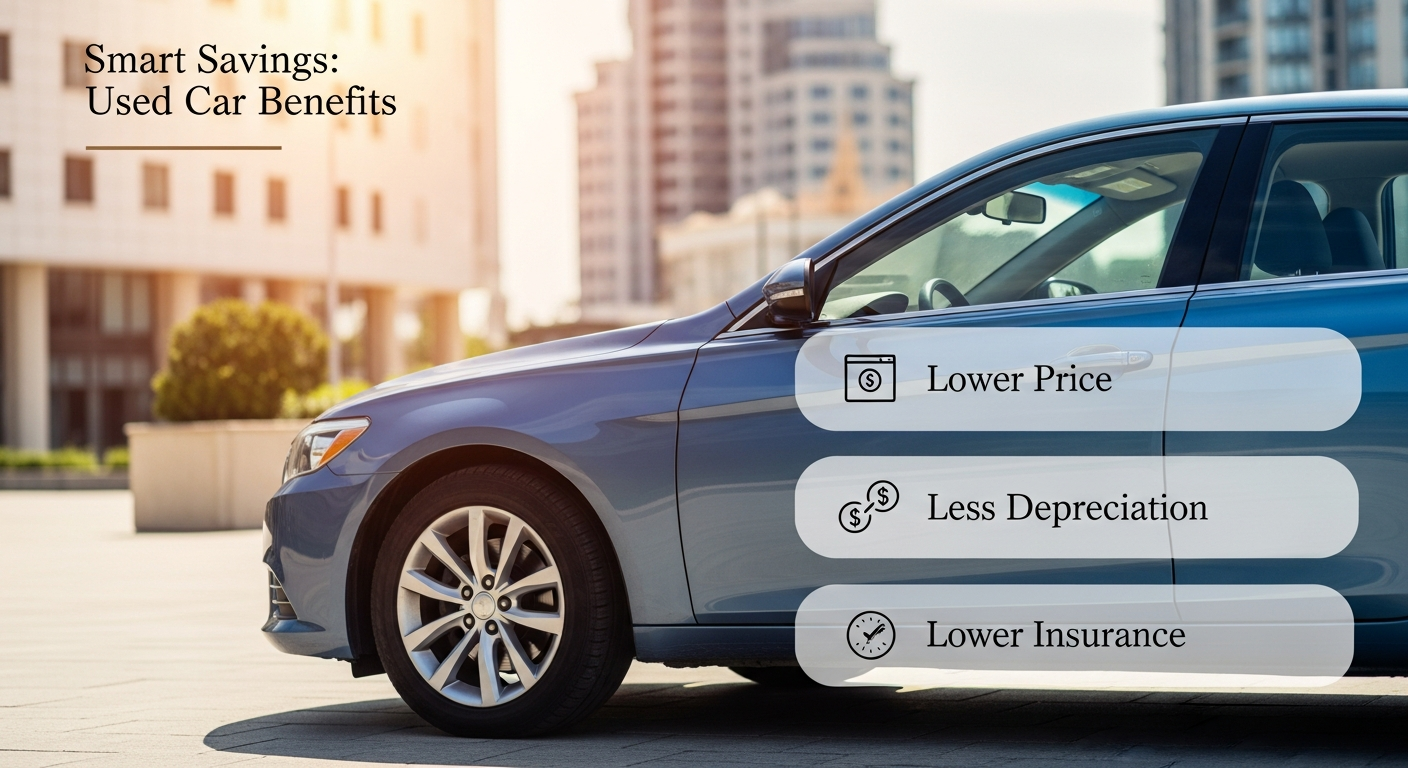
Buying a used car can offer numerous benefits that appeal to budget-conscious buyers. One significant advantage is the lower purchase price compared to new vehicles. Used cars often come with a much smaller price tag, allowing buyers to allocate their funds more wisely. This financial flexibility can lead to savings that extend beyond the initial purchase, including lower insurance premiums and registration fees.
Additionally, used cars often hold their value better than new cars, which can depreciate quickly after purchase. This aspect is crucial for buyers who may consider selling or trading in their vehicle in the future. Overall, the benefits of buying a used car include financial savings, reduced depreciation risk, and the ability to invest in a better model than what one might afford new.
Why Is Depreciation Important When Buying a Used Car?
Depreciation plays a key role in the car-buying process, especially for budget-conscious buyers. New cars often experience their most significant depreciation within the first few years of ownership. By opting for a used car, buyers can avoid the steep decline in value that new vehicles face. This means they are getting more value for their money and can sell the car later without significant loss.
Furthermore, understanding depreciation helps buyers make informed decisions about the make and model they choose. Some cars hold their value better than others, which can be a critical factor in the used car market. Knowing which vehicles depreciate slower can lead to a more financially sound purchase.
What Should You Know About Warranty Options for Used Cars?
When considering purchasing a used car, it’s essential to understand the warranty options available. Many used cars come with limited warranties, but certified pre-owned vehicles often offer extended warranties that provide peace of mind. These certified pre-owned cars undergo rigorous inspections and come with a vehicle history report, ensuring buyers are aware of any previous issues.
Having a warranty can significantly reduce potential repair costs, making buying a used car an even more attractive option for budget-conscious buyers. It allows consumers to enjoy ownership without the fear of unexpected expenses that can arise with older vehicles.
How Do Insurance Costs Differ Between New and Used Cars?
Insurance costs can vary greatly between new and used cars. Often, insurance premiums for used cars are lower than those for new vehicles, making them more affordable for budget-conscious buyers. This reduction in insurance costs is primarily due to the lower overall value of used cars.
When shopping for used cars, it’s wise for buyers to obtain insurance quotes for both new and used options. This comparison can provide a clearer picture of ongoing expenses and help buyers make more informed financial decisions.
What Financing Options Are Available for Used Cars? For those interested in purchasing a used car, there are various financing options available. Many dealerships offer used car financing plans that cater to budget-conscious buyers, providing flexible terms that can fit within their financial constraints. This can include lower interest rates and longer repayment periods compared to financing a new car.
Additionally, buyers can consider obtaining a loan from banks or credit unions, which may offer competitive rates for used vehicle purchases. Understanding the financing landscape is crucial for budget-conscious buyers looking to make a smart investment in a used car.
How Can You Ensure You’re Buying a Reliable Used Car?
Ensuring the reliability of a used car involves thorough research and inspection. Buyers should always request a vehicle history report to check for any past accidents, title issues, or service records. This information can provide valuable insights into the car’s condition and maintenance history.
Moreover, having a trusted mechanic inspect the vehicle before purchase can help identify potential problems. By taking these steps, budget-conscious buyers can gain confidence in their purchase and avoid the pitfalls that come with buying a used car.
What Are the Advantages of Certified Pre-Owned Vehicles?
Certified pre-owned vehicles (CPOs) offer several advantages for those looking to buy used. These cars undergo rigorous inspections and are often backed by extended warranties, providing added security for budget-conscious buyers. CPO programs typically include benefits such as roadside assistance and special financing rates.
Choosing a certified pre-owned car can provide the reassurance of a nearly new vehicle without the price tag associated with buying new. This makes CPOs a smart choice for those who want the benefits of a new car while remaining within their budget.
How Do You Choose Between a New Car and a Used Car?
Choosing between a new car and a used car involves weighing various factors. Budget-conscious buyers should consider their financial situation, lifestyle needs, and long-term goals. A new car may come with the latest safety features and technology, but the price tag can be significantly higher.
On the other hand, a used car offers immediate savings and can provide better value in terms of features and reliability. Buyers should assess their priorities and determine what fits their budget while meeting their needs effectively. This decision-making process is crucial for making a financially sound choice.
What Are Common Misconceptions About Buying Used Cars?
Several misconceptions exist regarding purchasing used cars that can deter buyers. One common myth is that used cars are always unreliable or have hidden issues. In reality, many used vehicles are well-maintained and provide excellent value for money.
Another misconception is that all used cars lack modern safety features. However, many pre-owned models come equipped with advanced technology and safety systems, making them a viable option for today’s consumers. Understanding these misconceptions can empower budget-conscious buyers to feel more confident in their decision to purchase a used car.
How Can Buying a Used Car Fit Your Budget?
Buying a used car can significantly help budget-conscious buyers manage their finances. The lower purchase price allows for more affordable monthly payments, and the reduced insurance costs contribute to overall savings. Additionally, buyers may have the opportunity to purchase a higher-end model for the same price as a lower-tier new vehicle.
Moreover, opting for a used car can free up funds for other essential expenses, such as home improvements or savings for future investments. By choosing a used vehicle, buyers can enjoy the benefits of car ownership without compromising their financial stability.
- Lower initial purchase price
- Reduced depreciation risk
- Affordable insurance premiums
- Flexible financing options
- Peace of mind with warranties
- Access to reliable vehicles with history reports
- Opportunity for a better model within budget
Conclusion:
Purchasing a used car can be a smart and financially sound choice for budget-conscious buyers. By considering factors such as depreciation, insurance costs, financing options, and warranty coverage, consumers can make informed decisions that align with their financial goals. If you’re looking for a reliable used car dealer, consider Yosh Motors Inc in Newark, NJ. They specialize in buying a used car, offering a variety of certified pre-owned vehicles that provide the benefits of buying a used car without compromising on quality.